
How to Reverse a Calorie Deficit and Gain Weight Safely: Using TDEE for Muscle Gain and Healthy Weight Gain
If you’ve been dieting or cutting calories to lose fat, there may come a point where you want to reverse your calorie deficit and start gaining weight—ideally as muscle, not fat. Doing this safely requires understanding your TDEE (Total Daily Energy Expenditure) and adjusting your calories and macronutrients properly. Gain too quickly, and you may add unwanted fat. Gain too slowly, and you’ll be frustrated with slow progress. The key is a controlled, smart approach that supports your body’s needs.
Why You Need to Reverse a Calorie Deficit Carefully
After a period of eating in a calorie deficit, your body’s metabolism may adapt slightly, and energy levels can drop. Jumping straight to a high-calorie diet can lead to fat gain rather than muscle gain. By reversing your deficit gradually, you give your metabolism time to adjust while promoting lean mass growth. This approach is often called a reverse diet.
Step 1: Calculate Your Maintenance Calories (TDEE)
Before increasing calories, you need to know your current TDEE, which is the number of calories your body burns each day at your current weight and activity level. You can use a TDEE calculator to find your starting point. Once you know your TDEE, you’ll slowly increase calories above this number to support muscle growth or healthy weight gain.
Step 2: Increase Calories Gradually
A gradual increase is the safest way to reverse a deficit:
- Add 100–200 calories per day for the first week.
- Monitor your weight and energy levels.
- If progress is slow after 1–2 weeks, add another 50–100 calories.
This slow increase helps you gain primarily muscle and lean tissue, rather than fat. Rapid increases can overwhelm your system and lead to unnecessary fat storage.
Step 3: Adjust Your Macros for Muscle Gain
While total calories matter, macronutrient balance is crucial for gaining lean muscle:
- Protein: 1.6–2.2g per kg of body weight to preserve and build muscle.
- Carbs: 45–55% of total calories to fuel workouts and recovery.
- Fats: 20–30% of total calories for hormones and energy.
For example, if your TDEE is 2,200 calories, a moderate surplus might be 2,400–2,500 calories. Divide these calories into macros using the percentages above to ensure proper nutrient intake.
Step 4: Focus on Strength Training
Calories alone won’t give you muscle—training stimulus is essential. Prioritize compound exercises like squats, deadlifts, presses, and rows. Aim for progressive overload, gradually increasing weight or reps. Strength training ensures that the extra calories go toward muscle rather than fat.
Step 5: Track Progress and Adjust
Monitor your progress weekly:
- Weight: 0.25–0.5 kg per week is ideal for lean muscle gain.
- Body composition: Use photos, measurements, or body fat tracking.
- Strength: Are your lifts increasing over time?
If weight gain is too fast, slightly reduce calories. If progress is too slow, increase calories gradually.
Step 6: Stay Consistent and Patient
Gaining weight the right way takes time. Avoid the temptation to overeat or “eat anything” to gain quickly. A controlled approach will give you lean mass, better energy, and sustainable results.
Best Foods for Healthy Weight Gain
- Protein: Lean meats, fish, eggs, whey, beans, lentils
- Carbs: Oats, rice, potatoes, whole grains, fruits
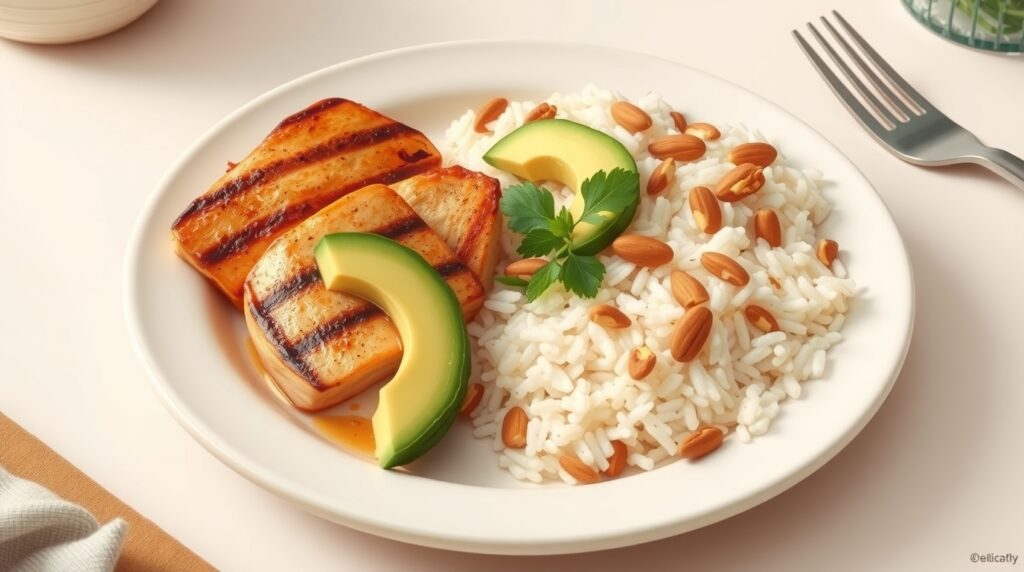
- Fats: Nuts, seeds, olive oil, avocado, fatty fish
- Extras: Smoothies or snacks like peanut butter on whole-grain toast can help add calories without feeling too full
FAQs
Q: How do I reverse a calorie deficit without gaining fat?
A: The key is gradual increases. Start by adding 100–200 calories per day above your TDEE and track progress weekly. Focus on strength training and protein intake. Slow, controlled gains (0.25–0.5 kg per week) usually add mostly muscle rather than fat.
Q: Can I eat normally again after a long diet?
A: “Normal” should be relative to your TDEE. Jumping straight to unrestricted eating can cause fat gain. Instead, slowly increase calories, monitor weight, and make sure macros are balanced to support healthy weight gain.
Q: How do I know if I’m actually gaining muscle?
A: Track strength progress, photos, and measurements. If your lifts are improving and your waist/waist-to-hip ratio isn’t increasing rapidly, you’re likely gaining muscle. Weight alone doesn’t tell the whole story.
Q: Should I still eat in a deficit if I want to gain weight slowly?
A: No. If your goal is muscle gain or healthy weight gain, you need a slight calorie surplus, not a deficit. Keep it modest to avoid unnecessary fat gain.
Q: Can I gain weight while doing cardio?
A: Yes, but too much cardio can make it harder to stay in a surplus. Focus on strength training for muscle growth and include moderate cardio for heart health. Adjust calories to cover your activity.
Q: How fast should I increase calories after a deficit?
A: Gradually—usually 100–200 calories per week. Track your body’s response before adding more. Sudden large increases can lead to fat gain.
Q: Are “reverse diets” necessary after every cut?
A: Not always, but they’re useful if you’ve been in a long-term deficit. They help your metabolism adjust, reduce fat gain, and make the transition to maintenance or a surplus smoother.
Conclusion
Reversing a calorie deficit and gaining weight safely is all about gradual increases, balanced macros, and smart training. Start with your TDEE, add calories slowly, prioritize protein, and follow a structured strength training program. Monitor your progress and adjust as needed. By being patient and consistent, you can gain lean muscle, improve strength, and maintain your health without unnecessary fat gain