How to Adjust Your Macros Based on TDEE for Weight Loss, Muscle Gain, and Maintenance
“Not all calories are created equal—what you eat matters just as much as how much you eat.”
If you’re serious about achieving your fitness goals, whether that’s losing fat, building muscle, or just maintaining your weight, understanding macros and TDEE is key. TDEE, or Total Daily Energy Expenditure, is the total number of calories your body burns in a day, including everything from basic metabolism to exercise. Once you know your TDEE, you can adjust your protein, carbs, and fats to hit your goals more efficiently.
Many people focus only on calories and overlook the importance of macronutrient balance. Eating the right number of calories without considering macros can lead to muscle loss, low energy, or slow progress. By understanding how to adjust your macros based on TDEE, you can fuel your workouts, preserve muscle, and stay satisfied throughout the day.
What Are Macros and Why They Matter
Macronutrients are the main nutrients your body needs in large amounts to function properly. They include:
- Protein: Builds and repairs muscles, supports recovery, and keeps you full.
- Carbohydrates: Your body’s primary energy source, fueling workouts and daily activities.
- Fats: Essential for hormones, brain function, and overall health.
Each macro provides calories:
- Protein: 4 kcal/g
- Carbs: 4 kcal/g
- Fats: 9 kcal/g
Getting the right balance ensures your body has enough energy and nutrients to perform well and recover properly.
How to Adjust Your Macros Based on TDEE
Step 1: Calculate Your TDEE
Before you adjust your macros, you need your TDEE. You can use our TDEE calculator to find your maintenance calories. This number is your baseline for adjusting your diet depending on your goals.
Step 2: Determine Your Goal
Your TDEE guides your calorie target:
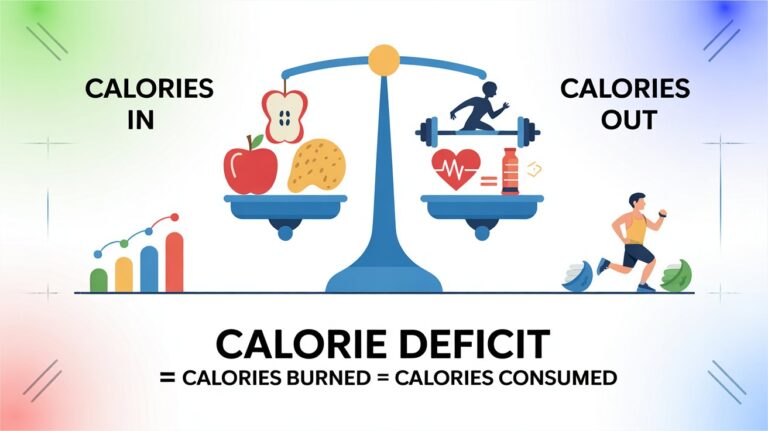
- Fat Loss: Eat fewer calories than your TDEE (usually a 300–500 calorie deficit).
- Maintenance: Eat close to your TDEE to keep your current weight.
- Muscle Gain: Eat more calories than your TDEE (usually 200–500 calorie surplus).
Step 3: Set Your Macro Percentages
Once you have your calorie target, divide those calories among protein, carbs, and fats. Here’s a simple guide:
| Goal | Protein | Carbs | Fats |
|---|---|---|---|
| Weight Loss | 30–35% | 35–45% | 25–30% |
| Muscle Gain | 25–30% | 45–55% | 20–25% |
| Maintenance | 20–30% | 40–50% | 25–30% |
Step 4: Convert Percentages to Grams
Use this formula for each macro:
Grams = (Calories × Percentage) ÷ Calories per gram
For example, if your daily calorie target for fat loss is 2,000 kcal and you want 30% protein:
2,000 × 0.3 ÷ 4 = 150 grams of protein per day
Do the same for carbs and fats. This gives you a clear, actionable number for your daily meals.
Best Foods for Each Macro
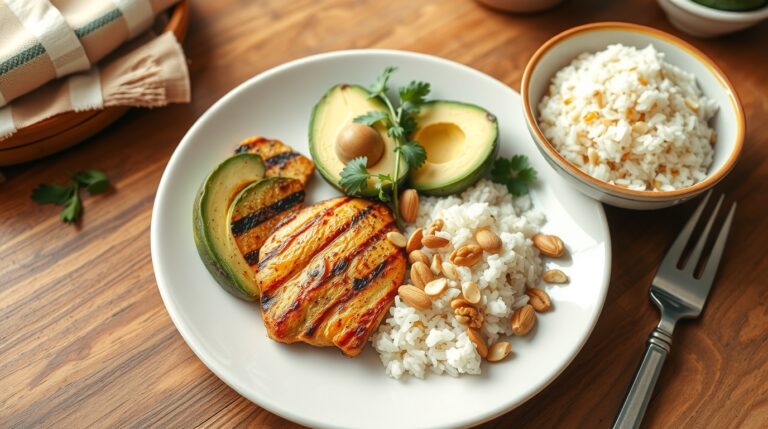
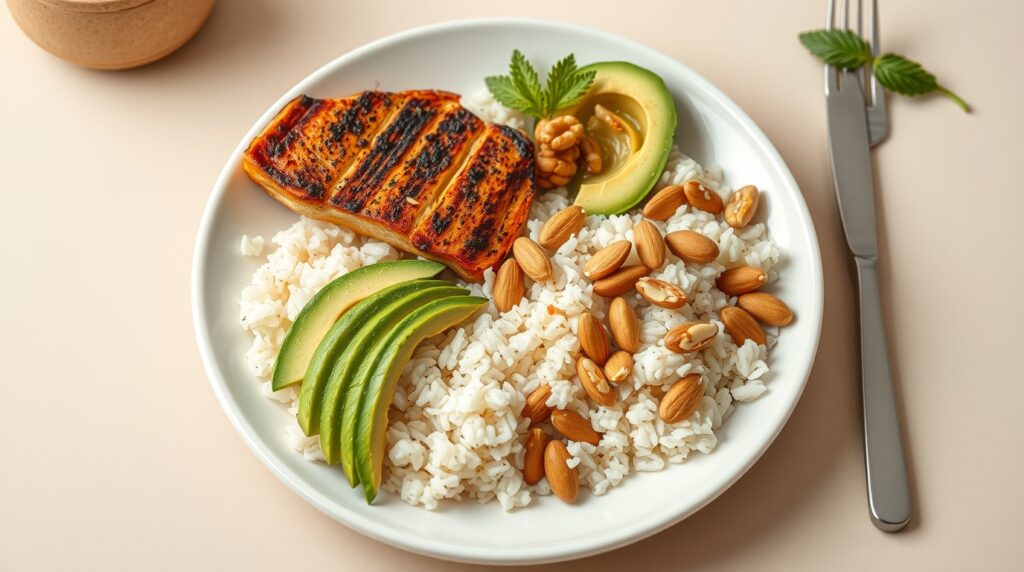
Protein Sources: Chicken, turkey, eggs, fish, whey protein, beans, lentils, tofu, tempeh
Carbohydrate Sources: Oats, rice, potatoes, whole grains, fruits, vegetables
Healthy Fats: Nuts, seeds, avocado, olive oil, fatty fish (salmon, mackerel)
Tip: Try to include protein in every meal, carbs around your workouts for energy, and healthy fats throughout the day for hormone balance and satiety.
How to Track Your Macros
Tracking your macros doesn’t have to be complicated, and it’s one of the most effective ways to stay on track with your TDEE goals. Start by using a reliable tracking app like MyFitnessPal, Cronometer, or Lose It!, which allows you to log meals, see macro breakdowns, and track your daily calories.
In the beginning, weigh your food with a kitchen scale for accuracy. This helps you understand portion sizes and ensures your protein, carbs, and fats are hitting your target grams. Once you’re familiar with portions, you can estimate them visually—like knowing that a palm-sized portion of chicken is roughly 25–30g of protein, or a cupped hand of rice is about 30g of carbs.
Meal prep can make tracking easier. Plan your meals ahead, batch-cook proteins, carbs, and vegetables, and store them in portioned containers. This not only saves time but keeps you consistent with your macros throughout the week.
Check your progress weekly, not daily. Look at your weight trends, energy levels, and workout performance. If you’re not hitting your goals, adjust your macros slightly—maybe increasing protein to preserve muscle, reducing carbs slightly for fat loss, or adding more healthy fats for satiety. Remember, tracking macros is a tool to guide your decisions, not a strict rulebook—listen to your body and adjust based on results, not just feelings.
Common Mistakes to Avoid
- Not eating enough protein: This can lead to muscle loss during fat loss.
- Neglecting healthy fats: Low fat intake can affect hormones, energy, and overall health.
- Overeating carbs without burning them: Can slow down fat loss.
- Not recalculating TDEE: As you lose or gain weight, your energy needs change.
- Skipping meals or eating too little: This can lower metabolism and reduce workout performance.
FAQs
Q: How often should I adjust my macros?
A: Every 2–4 weeks is a good timeframe. Track your weight, strength, and energy levels. If you’re not seeing results, tweak calories or macro percentages slightly.
Q: Can I eat carbs at night on a deficit?
A: Yes. Total daily calories and macros matter more than timing. Focus on meeting your protein and fat targets, and distribute carbs around your workouts for energy.
Q: I’m vegan. Can I still follow macros?
A: Absolutely. Protein can come from beans, lentils, tofu, tempeh, and quinoa. Healthy fats from nuts, seeds, avocado, and oils. Carbs from grains, fruits, and vegetables. Percentages stay the same; just swap sources.
Q: Do I need to count macros forever?
A: Not necessarily. Counting helps at the start to understand portion sizes and balance. Once you get used to it, you can eyeball portions and track loosely.
Q: How do I know if my TDEE is accurate?
A: Your TDEE is an estimate. Track your weight and adjust calories if you’re not losing, gaining, or maintaining as expected. Recalculate every few weeks or after a major change in activity or weight.
Q: Can I adjust macros for intermittent fasting?
A: Yes. The same principles apply. Fit your protein, carbs, and fats into your eating window. Make sure protein is adequate to preserve muscle during fasting periods.
Conclusion
Adjusting your macros based on your TDEE is one of the most effective ways to reach your fitness goals. It helps you lose fat, build muscle, and maintain energy while keeping your diet flexible and sustainable. Start by calculating your TDEE, set your goal, divide your calories among protein, carbs, and fats, and track your meals. Over time, adjust based on your progress. Using a TDEE calculator and a calorie deficit calculator can make this process simple and practical.
By following these steps, you’ll have a clear, actionable plan that fits your lifestyle, keeps you energized, and helps you reach your fitness goals without guessing or extreme dieting.